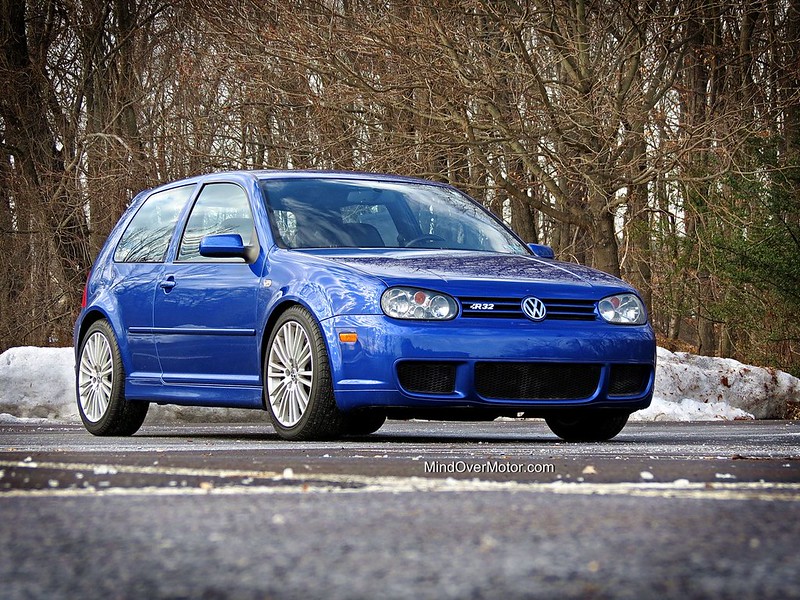
2004 Volkswagen Mk4 Golf R32 reviewed by Mind Over Motor
What is it?
This is the original R-rated Volkswagen. After four generations of GTIs, VW decided that something more was needed to compete with the more serious performance cars of the world. Interestingly, the R32 was the first production car to feature a dual-clutch gearbox, although the US only received R32s equipped with manual transmissions. In total just 5000 mk4 Golf R32s were imported to US shores, making them one of the rarest cars in their range.
How’s the R32’s driving experience?
In short: fantastic, and a lot better that I had thought it would be. I’ve driven both of this car’s successors, the Mk5 R32 and the Mk6 Golf R, and I have to say that the Mk4 R32 has a certain something that its replacements do not.
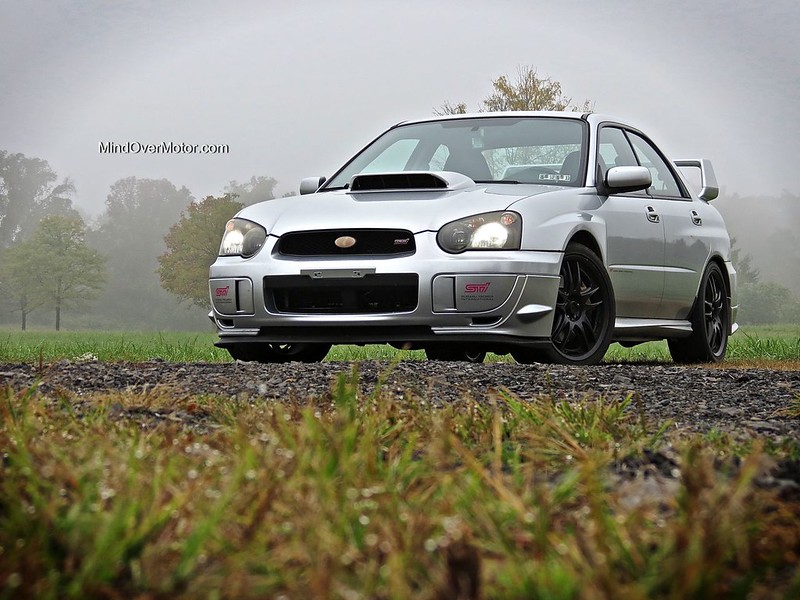
It has been nearly three years since I began working on Mind Over Motor, and for some reason I have not gotten around to reviewing the car I know the best in the world, my 2004 Subaru WRX STi.
For most, it would’ve been the very first car to review, but I wanted to focus more on finding ways to get other cars and setting our foundation around that. Having said that, I do think it is high time that I do a proper article on my beloved Subaru, and what better way to begin 2014?
Incidentally, this article will also debut a new style of car review for me, on Mind Over Motor. It is one with a question and answer structure that will hopefully be more conversational in feel. Let me know what you think of the new style, and any suggested improvements you may have in the comments.
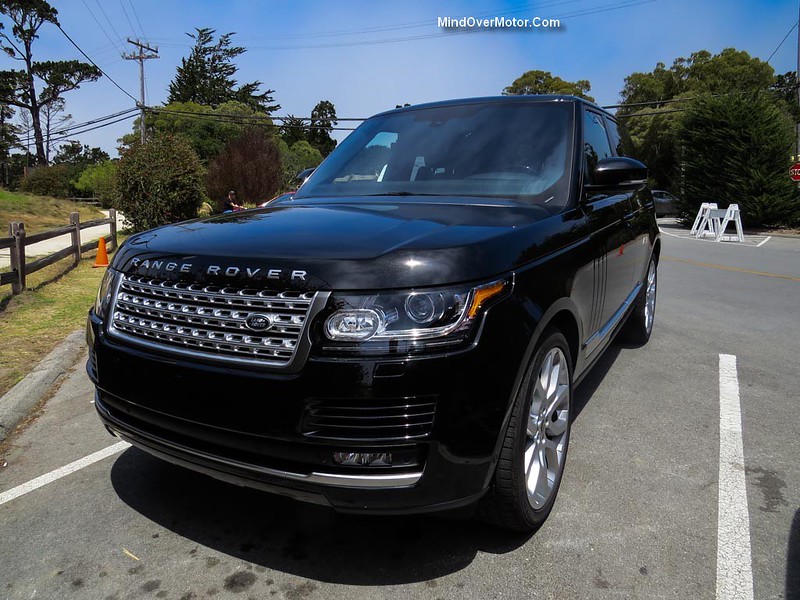
The Range Rover is a hard vehicle for me to place sometimes. It has the trappings and the appeal of a luxury car, but can tackle off-road trails like nobody’s business. This year, Land Rover did a ground-up redesign of the old girl and at Pebble Beach, I took a chance on this big black beast after taking a Rolls-Royce out for a spin. Now, I drove an older one on a short off-road course last year and it was a rather eye-opening experience, where I learned just how capable the old one was. This time, though, there was no rock-crawling or dune-smashing. It was just me, a representative, and the 17-Mile Drive. After I shut the door, I had some interesting things to ponder. Continue reading Test Driven: 2014 Range Rover Supercharged (Grade: B)→
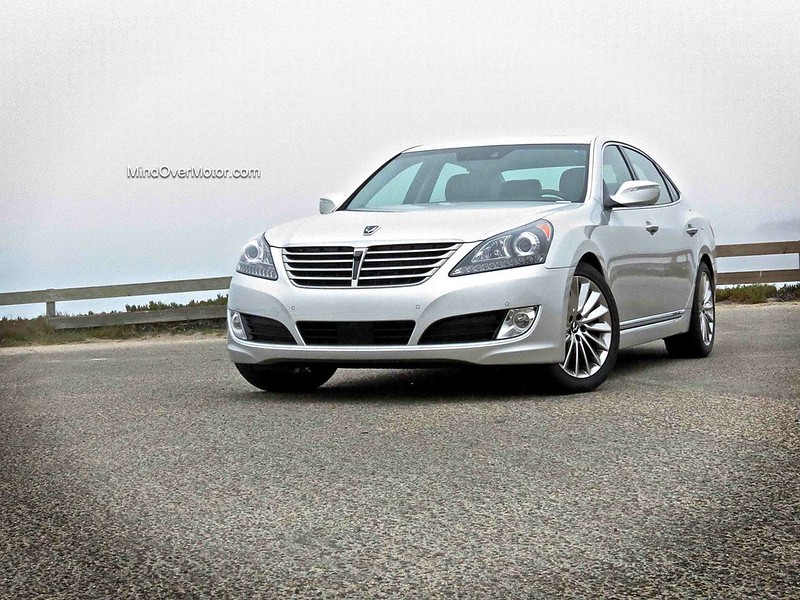
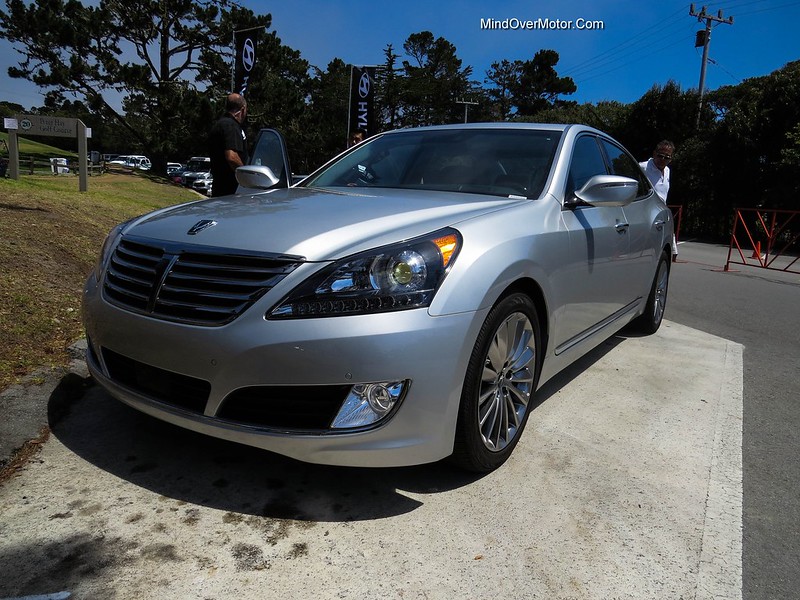
Hyundai has transformed itself over the last decade, going from the stereotype maker of cheap jalopies to a company that is now taking on the biggest names in the luxury market. The Equus you see here is the culmination of those efforts, a car that claims to strike directly at the standard of the world, the Mercedes S class.
It is really crazy to think that the same company which makes the economy-minded Elantra can also produce this posh luxury bruiser. Other companies, like Honda and Toyota, created whole new brands (Acura and Lexus) for their upmarket efforts in the US, but Hyundai has decided to keep everything under one flag.
This does beg some questions: Can the Equus really work as a Hyundai in a country where people are obsessed purely with their own self image? And furthermore, if we put the Equus up against its claimed competitors, will it stand up to the challenge?
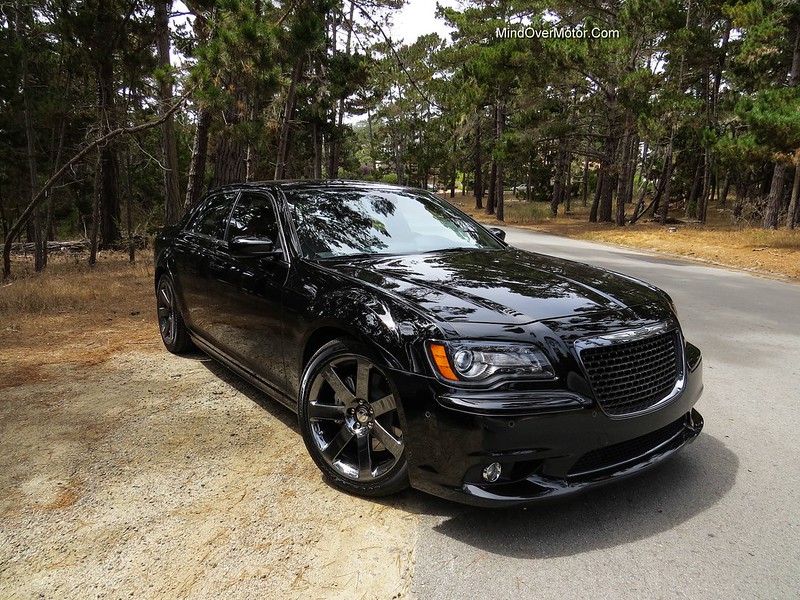
Chrysler’s SRT lineup screams for attention these days. The Challenger SRT appeals to the little kid inside of us, even if it’s not as dynamically capable as the competition. The SRT Viper has the bedroom poster market cornered for the company (even if sales aren’t great right now) and the Jeep Grand Cherokee SRT is a screaming deal. Meanwhile, the sole Chrysler product to wear the badge, the 300, sits in the corner of the showroom and doesn’t seem to get a lot of attention. At Pebble Beach, the first car I took out on the Seventeen-Mile Drive was this icy black 300 SRT. I wasn’t sure what to expect, but after a lot of thinking, I believe I have an answer.
Hyundai has no secrets in its intentions. Since 2009, this company has managed to make itself look leagues better than almost everyone. When one company screws up in the news, Hyundai has a positive headline on the same page of the local newspaper. Somehow, they can make the entry-level Accent and Elantra and sell them in the same dealers as the high-end Genesis sedan, as well as the subject of this review, the flagship Equus. No other car company can sell a range as diverse as this under the same franchise roof. Hyundai bills the big Equus as a car to fight the S-Class for a much lower price. On paper, that’s quite a clear truth, but I had to drive it to see if that advertising line lives up to its billing.
Infiniti just seems to want to watch the world burn. For some reason they deemed it a good idea to rename their whole entire lineup, for no reason whatsoever. Every Infiniti is now named Q, with some meaningless number. The car you see here is the new Q50, the replacement for the current G37 sedan. As the replacement for the G, which is surely Infiniti’s best selling model of all time, the Q50 has big shoes to fill. This one isn’t an ordinary Q50, though, this is the much-anticipated Q50 Hybrid. So in addition to filling the G37’s shoes, the Hybrid must also make a case for itself in some new territory.
Briefly looking back, the G35 was the car that really launched Infiniti into what it is today. It was based on the same platform as the Nissan 350Z, making it a true 4-door sports car. What resulted was the car that gave the BMW 3 Series its most formidable challenge to date.
Boy has the world changed a lot since the G35 first came out. The emphasis in the luxury market is now on multitasking, both from the car and from the driver. A car needs to be comfortable, but also sporty enough for you to weave in and out of traffic at 90mph while you’re updating your Facebook status and texting your friends. The pure focus on driving is all but dead at this point, even BMW has made that obvious. While luxury cars must still be dynamically capable, and “fast”, the priority for most buyers is now on cool gadgets and hypothetical fuel economy numbers.
Looking at the Q50, especially the Hybrid, it is easy to see that it is a car built for our modern world. I must confess, that when I actually drove the car, I knew very little about it. Since my drive, I have been doing a lot of research to help with this article, and I am finding that the Q50 Hybrid may, in fact, be one of the most interesting cars on the market.
Jaguar is on a serious roll lately. They have gone from a company that was on its back to a company that everyone is watching very closely in less than 6 years’ time, thanks to a few new models, a new parent company, and a large amount of development money that’s been spent effectively. I’ve been waiting 2 years to drive another Jaguar XJ after taking a used one out for a spin in North Jersey. While I was with Nick at the Pebble Beach Concours, that wait ended abruptly with the roar of the 550hp XJR. I had to ask: Is this car worth its price and will it be on a new level of performance compared to the old XJR? I took the wheel of this silver-grey 2014 model around the 17-Mile Drive to find out. Continue reading Test Driven: 2014 Jaguar XJR (Grade: A)→
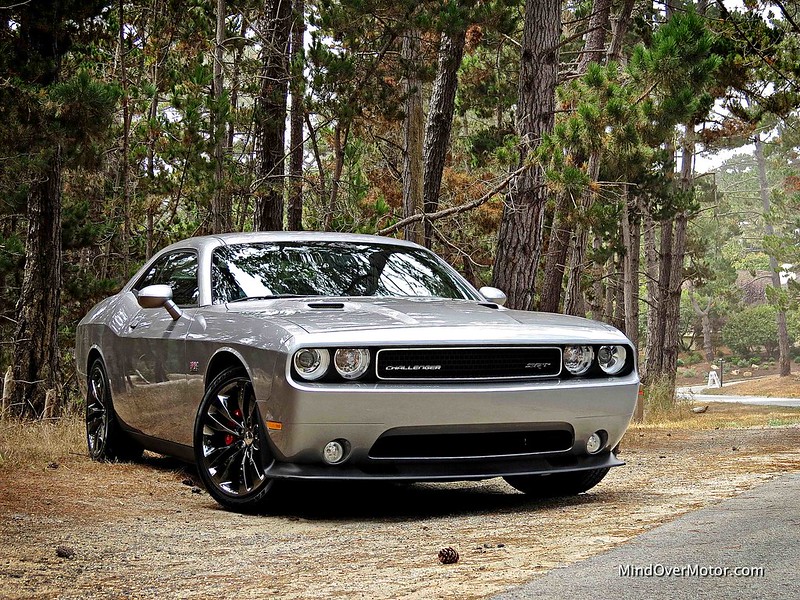
Of the muscle cars back in the 1960s-70s, I always find myself drawn to Mopars the most. Something about their cartoonish, yet badass nature. A bright green Challenger, a purple Plymouth Barracuda, and the roar of a 426 Hemi V8, that just defines the flavor of the era for me.
Back in 2008, Chrysler blessed the world with the reincarnation of the legendary Dodge Challenger. With its retro look, it seemed poised to reignite the muscle car wars with the Ford Mustang, and the soon-to-be-released Chevrolet Camaro. However, we are not in the 1960s anymore, and there are far more contenders than just the good old American boys these days.
My real question going into this drive was, where does the Challenger fit in today? Is it still a Muscle Car in the traditional sense, or has it adapted, like the Camaro SS has, to meet modern expectations of handling performance?
The Lincoln Motor Company has been in rather sorry shape as of late. The 2008 economy crash hit them hard, but even before then their products were struggling to compete in the luxury market. I myself have criticized them, even going as far as to say that Ford should kill them off, completely restructure their lineup, and then bring them back as a new, reborn Lincoln. When I think Lincoln, I still think of the 1960s Continental, and we are quite far from the days now.
In recent decades, Lincolns have just been rebadged Fords with leather seats. During the majority of this period, Ford’s products were, quite frankly, pretty bad. The foundation for Lincoln’s products was a major weak point, and slow sales have reflected it. However, there is a bit of bright light now, with Ford’s new “One Ford” policy. America will finally get the great european Ford models that we have been so deprived of over the years.
In 2012 the new Ford Fusion came out, and this time it was simply an American version of the highly acclaimed Ford Mondeo from Europe. It is this well-proven platform on which this new 2013 Lincoln MKZ is based. It seems we now have a Lincoln model with some solid foundations, so the question now is, does it compete?
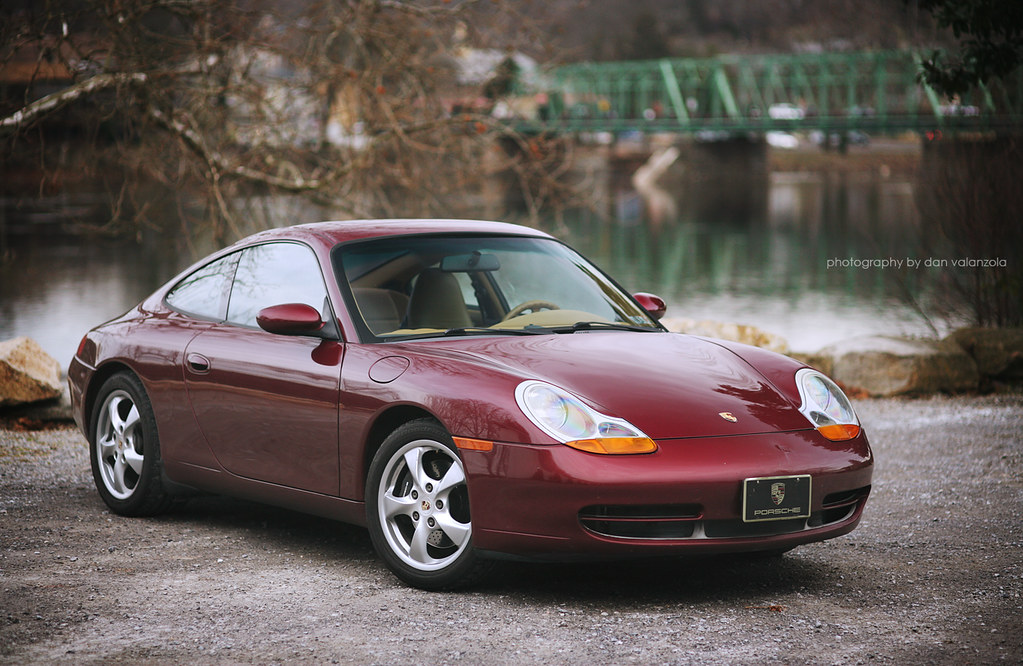
The essence of the Porsche 911 hasn’t changed all that much over the years, and when something does change it usually stirs up controversy. The car you see here is my Dad’s 1999 Porsche 911 Carrera (996 generation), and it marks one of the most drastic inflection points in the 911’s history: the switch from air-cooling to water-cooling. Here in 2013, early 996s haven’t had the most love from collectors, and their value has fallen far more than most 911s. That said this is still a Porsche, and Porsche doesn’t make bad cars. I have driven many Porsches, ranging from a Cayenne V6 to the mighty 997 Turbo S. All of them have been extremely entertaining within their own context, and my dad’s car is far from an exception.
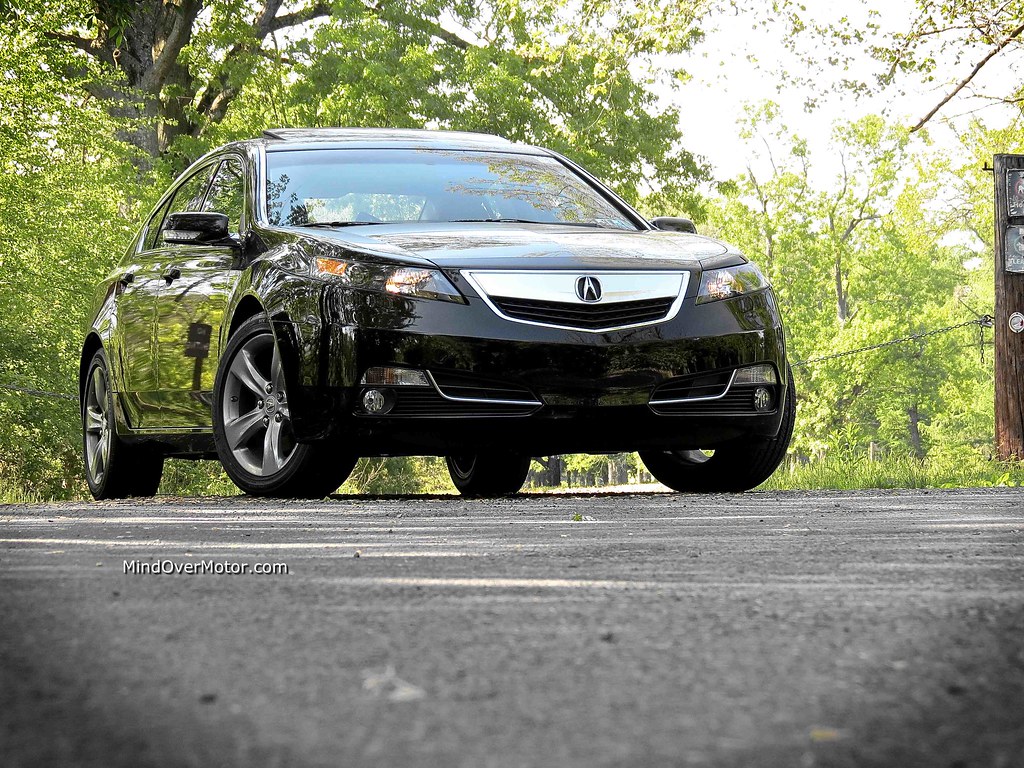
The whole idea of Acura in America is to market a higher end Honda product to people who have had a Civic or Accord in the past, but now have more cash to spend. Given Honda’s great reputation, Acura has enjoyed healthy sales over the years. The TL, which is based on the Accord, has been a strong contender in the middle of the Acura range since the late 1990s. However, up until recently, it was hard to consider the TL a real competitor in the true luxury car realm because it was only available in front wheel drive. Acura has wised up with the current generation TL, and has fitted their SH-AWD system to all but the base model. This means the TL is now going head to head with the rest of the luxury segment on their own, complete terms, and that raises the stakes a bit.




 Mind Over Motor