After day two, I am convinced that 2013 has to be the best New Hope Auto Show I have ever attended. The first day had many fantastic American cars, and the second day had a barrage of phenomenal foreign cars. The field ranged from modern exotics to classics, and I was thrilled with the sheer variety of cars; not just a bunch of the same types of Ferraris lined up.
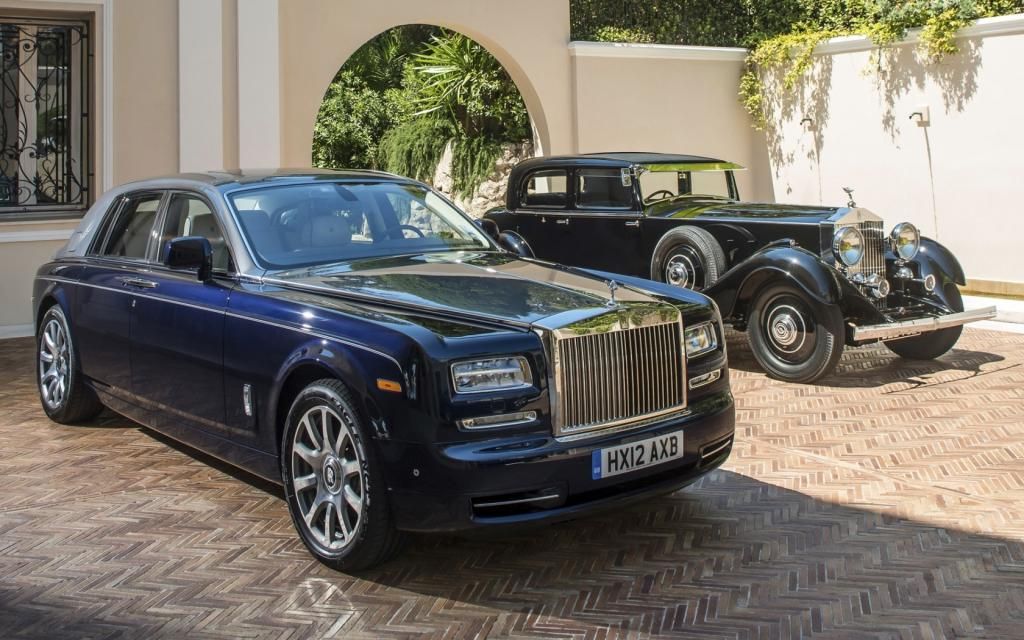
Highlights included some truly breathtaking pre-war Rolls Royces, a variety of special Porsches, and one of the prettiest Mercedes 300 SLs I have ever laid eyes on. There is much more, including a few cars not often seen in the US, so check out the gallery (below) to see. Enjoy the photos.
Going to all of these concours events I’ve had the privilege to see some of the most glorious prewar luxury cars imaginable. Packards, Duesenbergs, Delahayes, Bugattis, the list goes on and on. This got me thinking about how most of these wonderful cars haven’t survived the ages, and it begged the question, why?
The SLS Electric Drive is the first electric car that can legitimately be considered a supercar. 750hp and 737ft/lbs of torque going through electronic all wheel drive means that this car will have some staggering straight-line performance. It seems the biggest surprise, though, was the torque vectoring system Mercedes has devised, which can actually apply negative torque to the inside wheels during a corner. Chris seemed pretty blown away by this car, watch the video to see. Enjoy.
Designed by Dr. Ferdinand Porsche, the SSK was Mercedes’ racing powerhouse from 1928 to 1932, winning a long list of significant victories, including the 1931 Mille Miglia in the hands of legendary driver Rudolf Caracciola. It also broke the pace record for the Mille Miglia at the time with an average speed of 62mph(101km/h). The SSK was seriously fast, in fact it was the fastest car of its time. Its top speed was 120mph (~190km/h), and the performance from its 7.1L straight 6 engine is still decently impressive by today’s standards. The key was its supercharger, which engaged via a clutch when full throttle was used. This design gave the power when it was needed (especially at higher altitudes, where air is thinner), but also helped keep the car reliable by not having the blower stressing the engine all the time. From what I’ve read, around 170hp was available before the supercharger engaged, and 225hp hit when the boost came on. I have also seen some reports of SSKs making as much as 300hp, so maybe in different specifications were used for different races. The car also had a massive amount of torque, with as much as 500ft/lbs available on those highest spec’d cars. Keep in mind, all of this performance is in a car with 1920’s technology, so tires, brakes, suspension, etc were all nowhere near the level of a normal modern car, and the SSK weighed nearly two tons. Racing back then took some serious bravery.
The SSK you see here was on display at the Mercedes-Benz Museum in Stuttgart, Germany, during my trip to Europe last year. Regrettably, I don’t have too many details on this specific SSK because I was so focused on taking photos that day that I didn’t bother reading the signs. I do know there were only 30-35 SSks built, so it is very rare, and definitely worth a few million dollars.
I love looking at early racing cars because there is so much crude genius. All of the performance aspects of a modern car had to be developed, usually through trial and error, and driven by competitive spirit. The SSK was the pinnacle of automotive technology in the late 1920s, and it marks a significant moment in racing, as well as in the development of the automobile itself. Enjoy the pics.
On this episode of Drive, Chris Harris shows all of us not only his spectacular driving skills behind the wheel of AMG’s newest monster, the SLS Black Series, but also the lengths that Mercedes-Benz went to lighten up the big supercar to make it more athletic and more fun on the track. Take ten minutes off and watch this video–it’s ten minutes well worth your time.
The Mercedes R-Class is not the last word in anything. It’s probably a good example of a blue-chip company laying an egg at the worst possible time. Mercedes-Benz is a full-line automaker in most of Europe but in America, it’s better known for luxury cars. Of course, the top brass at M-B didn’t quite know what to expect when the R-Class came out. Made in Alabama and Mexico, it wasn’t a normal Mercedes. But, once AMG saw it, they couldn’t resist doing what they do best: shoehorn a ridiculous engine into it, put it on wide tires and lowered suspension, and sell it like sliced bread. Only this time, sliced bread sold like New Coke. Continue reading Secondhand Saint: Mercedes R63 AMG→
Mercedes-Benz isn’t all what it seems. While some may mock it for expanding the E-Class range to a coupe and a convertible, and some may question it for offering AWD on the AMG products, no one will see me on that side of the line. In fact, I’m the one doing the slow clap. Mercedes is taking a lesson from its rivals, Audi and BMW, and using the best of what it’s learning. The German luxury market is changing, and Mercedes is keeping up with it in an exemplary way–but the new E63 is proof that they’ve got their ears to the streets and listening to the good word. Continue reading The new Mercedes E63: Just what the doctor ordered.→
This gorgeous, and freshly restored, 300SL Roadster showed up at the Cruise Night in Hopewell, NJ last spring. The 300SL is an icon of its era, and the gullwing version was even the fastest car in the world for a time. Today the car looks as classy as ever with its long hood and beautiful swooping lines. Enjoy the photos.
I stopped at the Mercedes Benz Museum in Stuttgart during my trip to Germany this year. It is a fascinating facility in every respect, but the display of early automobiles is truly something to savor. Daimler (Mercedes Benz today) invented the motor car, so the museum is able to show the progression of the automobile quite actually from Genesis. These cars set the stage for every car we know and love today. In this feature you will see Daimler and Benz cars, the Mercedes name was added later on for added appeal. You will see the development from the crude origins of the automobile to where Daimler-Benz cars began to resemble the luxury objects that they are today. Enjoy. Continue reading Mercedes Benz Museum: The Beginning of the Automobile→
Happy Friday everyone! It has been quite a busy week, and we are looking forward to some events this weekend. Unfortunately we haven’t been able to do much writing in the past few days because of this, so there won’t be a review this week.
Chris Harris tests the Mercedes CLS 63 Shooting Brake for Drive. He makes a very good point on how this car is a niche within a niche, and how the market is moving that way overall. Enjoy.




 Mind Over Motor